
The Complete Guide to Ranking in 2026
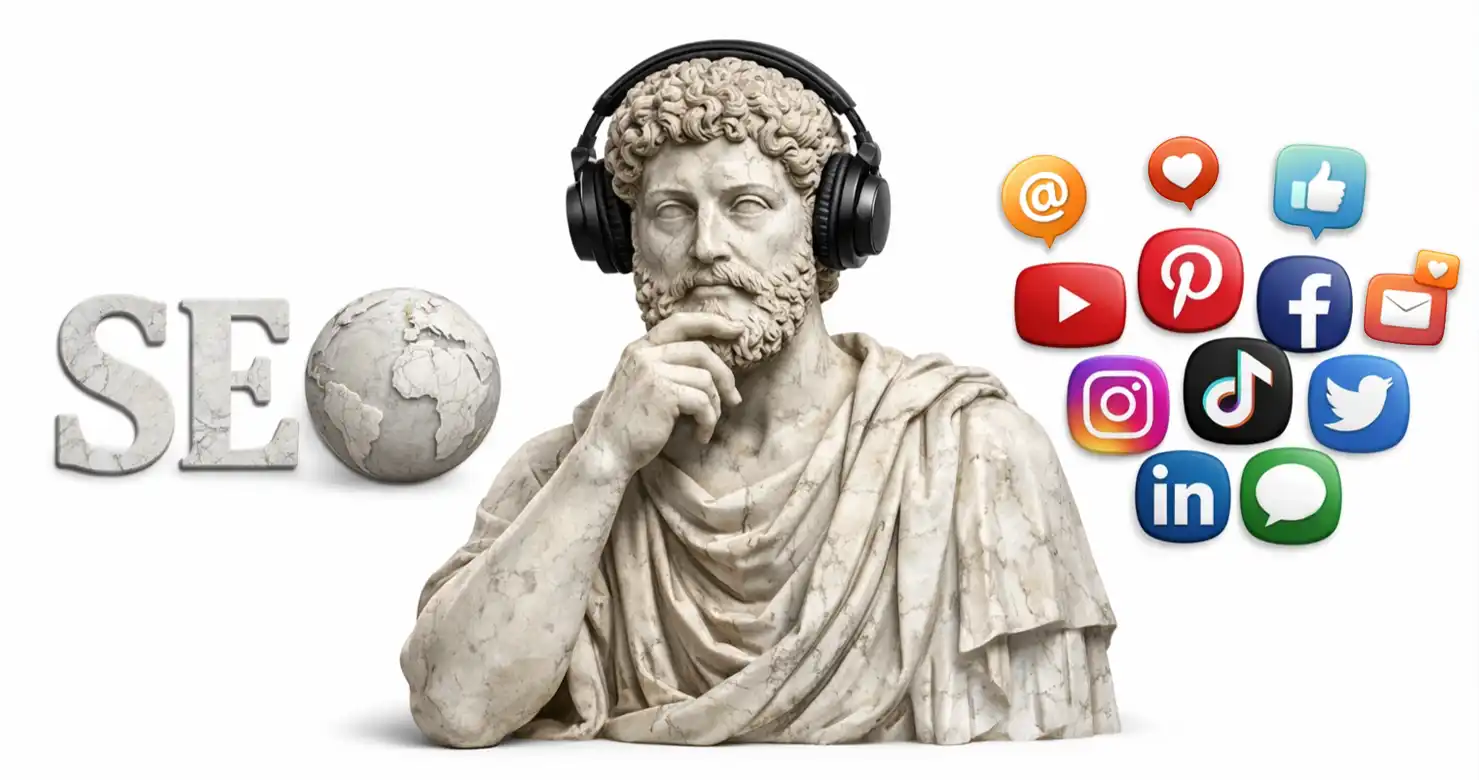
Search behaviour has changed. People are no longer just typing keywords into Google. They are watching short-form videos, scrolling social feeds, listening to podcasts, and searching inside platforms like YouTube and TikTok.
This is where Social Media & SEO intersect.
If traditional SEO is about ranking webpages, Social media is about ranking content formats across platforms. When combined properly, they create a powerful, multi-channel visibility strategy that drives traffic, authority and revenue – I call this SEO Media.
What Is SEO Media?
SEO Media refers to optimising visual, audio and interactive content so that it ranks in search engines and platform algorithms.
This includes:
-
YouTube videos
-
Short-form video (Reels, TikTok, Shorts)
-
Podcasts
-
Infographics
-
Blog imagery
-
Social posts
-
Press releases
-
Digital PR assets
Google now blends media directly into search results through:
-
Video carousels
-
Featured snippets
-
Image packs
-
“Things to know” sections
-
AI Overviews
-
People Also Ask
If your brand only publishes text content, you are missing multiple ranking opportunities.
Why SEO Media Matters in 2026
Search engines reward engagement signals. Media content increases:
-
Time on page
-
Click-through rate
-
Social sharing
-
Brand recall
-
Backlink potential
For example, a well-optimised YouTube video can:
-
Rank on YouTube search
-
Rank on Google search
-
Appear in Google video snippets
-
Be embedded into blog content
-
Generate backlinks
-
Drive direct enquiries
That is layered visibility.
The Core Pillars of SEO Media & SEO
1. Keyword Research for Multimedia
Keyword research is no longer limited to blog titles.
You should research:
-
YouTube search suggestions
-
TikTok search autocomplete
-
Google video results
-
Podcast search terms
-
Question-based keywords
Tools like Google Search Console, Semrush and Sistrix help identify high-intent keywords and ranking gaps.
For example:
-
“SEO for local businesses”
-
“How to rank YouTube videos”
-
“Technical SEO audit checklist”
These can become blog posts, videos and short clips.
2. Video SEO Optimisation
Video SEO includes:
-
Keyword-rich titles
-
Optimised descriptions
-
Timestamps
-
Closed captions
-
Custom thumbnails
-
Schema markup
-
Embedded placement on relevant pages
YouTube is the second largest search engine in the world. Optimising for YouTube search can significantly increase brand reach.
Best practice:
Embed your YouTube videos into relevant blog articles to strengthen topical authority and improve dwell time.
3. Image SEO & Visual Search
Image optimisation is often overlooked.
Optimise by:
-
Compressing images
-
Using descriptive file names
-
Writing keyword-rich alt text
-
Adding structured data
-
Creating original visuals
Google Lens and visual search are growing rapidly. Properly optimised imagery can drive traffic from Google Image search and AI discovery features.
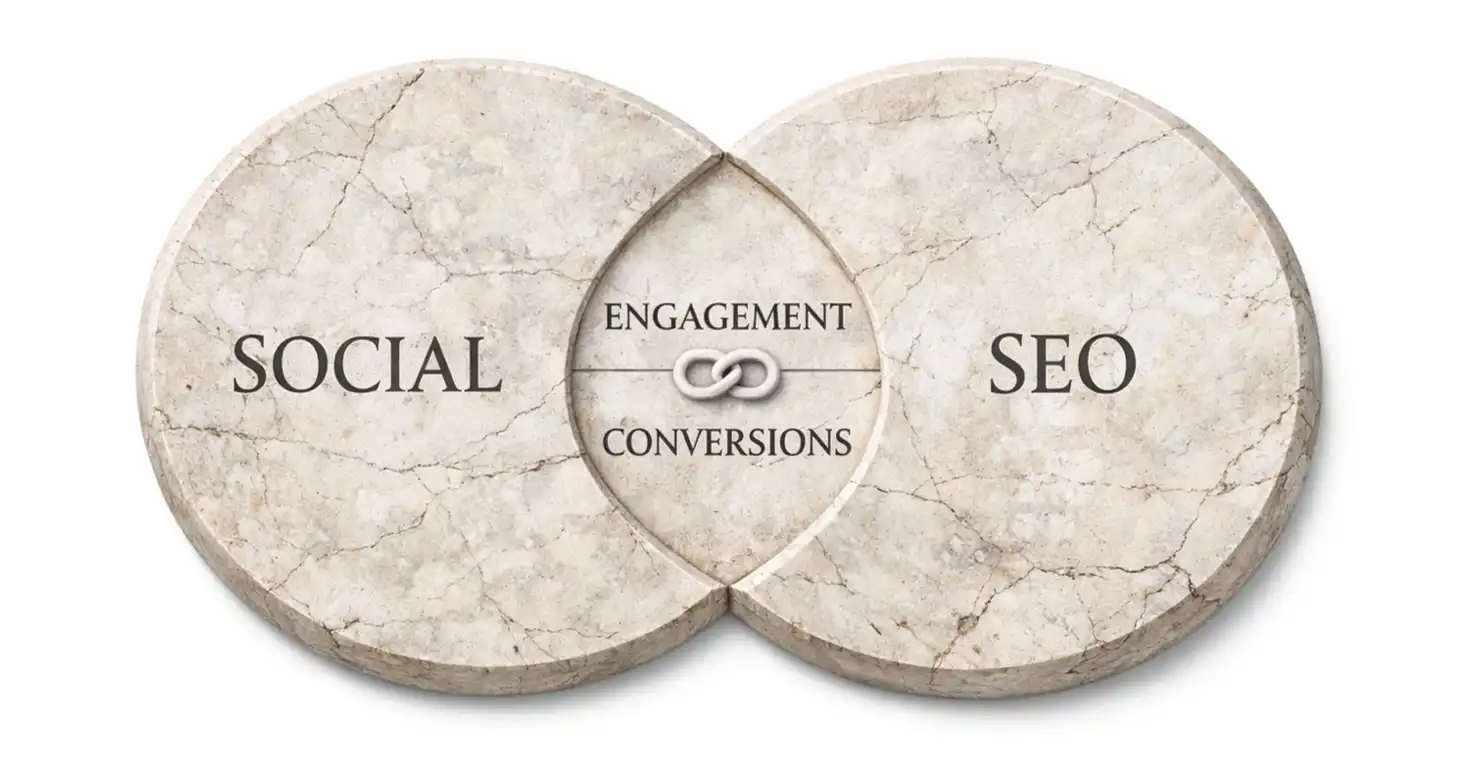
4. Social Media & SEO Synergy
Social signals are not direct ranking factors, but they:
-
Increase content exposure
-
Attract backlinks
-
Improve brand search volume
-
Generate engagement signals
Platforms like Instagram, TikTok and LinkedIn now function as search engines.
Users search:
-
“Best SEO agency near me”
-
“How to rank on Google”
-
“Local SEO tips”
Optimising captions, hashtags and profile bios supports discoverability.
5. Technical SEO Behind Media
Media needs technical foundations.
Ensure:
-
Fast page speed
-
Core Web Vitals compliance
-
Proper indexing
-
XML sitemaps including video
-
Schema markup for video and images
-
Mobile optimisation
Without strong technical SEO, even the best media content will struggle to rank.
How SEO Media Supports Local SEO
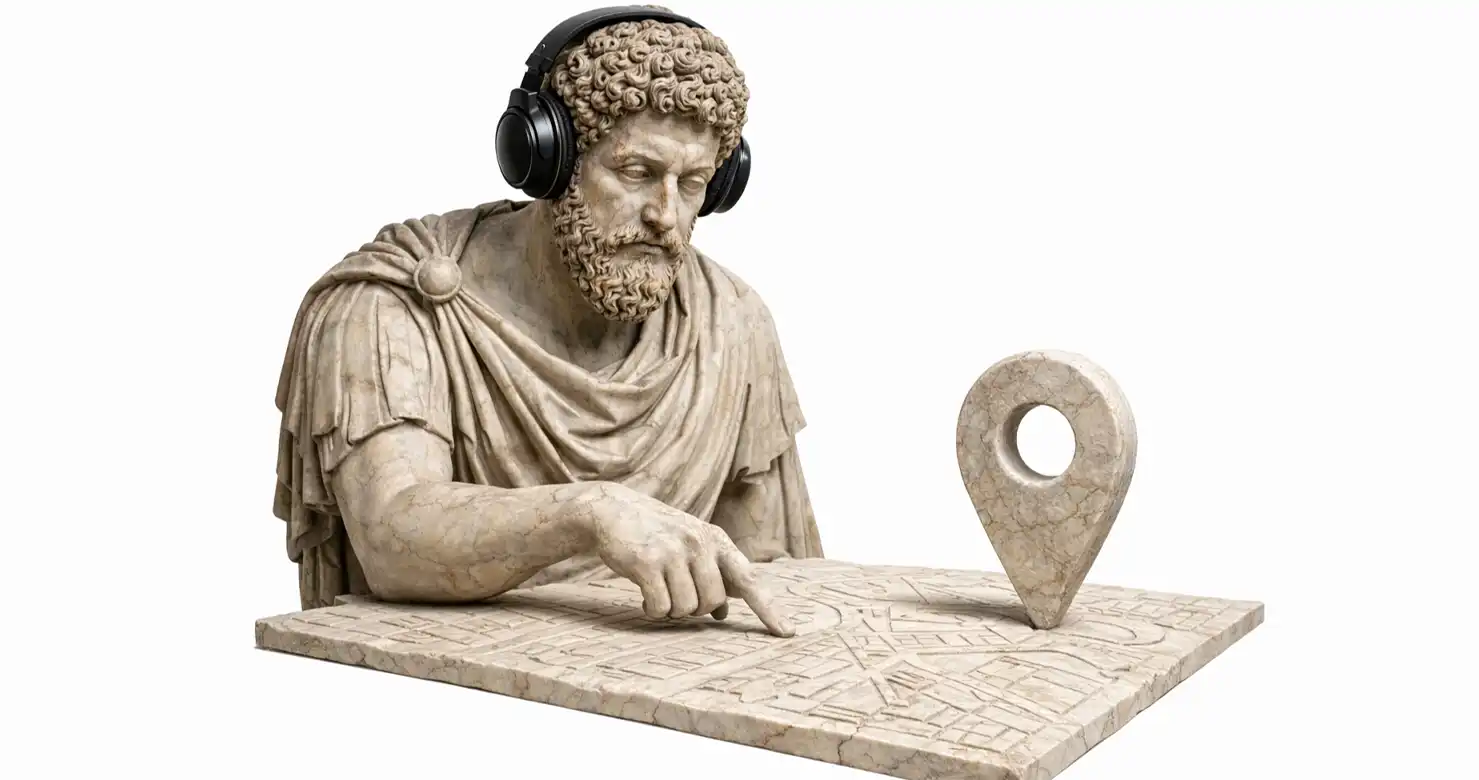
For local businesses, media increases trust and visibility.
Examples:
-
Local case study videos
-
Google Business Profile photo updates
-
Geo-tagged Instagram posts
-
“Behind the scenes” content
-
Location-specific landing page videos
Google rewards relevance and authenticity. Media builds both.
Content Repurposing Strategy
One core topic can become:
-
1 long-form blog
-
1 YouTube video
-
5 short-form clips
-
3 social graphics
-
1 LinkedIn carousel
-
1 email newsletter
-
1 podcast discussion
This multiplies keyword coverage and authority signals.
SEO Media is not about producing more content.
It is about extracting more value from each topic.
Common Mistakes in SEO Media
-
Uploading videos without keyword research
-
Ignoring video descriptions
-
Not embedding videos into relevant pages
-
Using stock imagery everywhere
-
Forgetting structured data
-
Treating social content separately from SEO
Integration is key.
The Future of SEO Media
With AI-generated answers becoming more common in search results, brands must become recognisable entities, not just webpages.
That means:
-
Strong brand search volume
-
Multi-format content presence
-
Authority across platforms
-
Trust signals and expertise
Search engines prioritise brands that demonstrate real-world credibility and engagement.
Final Thoughts
SEO Media & SEO are no longer separate disciplines.
Modern search visibility requires:
-
Technical SEO foundations
-
Strategic keyword targeting
-
Multimedia content
-
Social distribution
-
Consistent branding
If your competitors are publishing video, ranking on YouTube and dominating short-form search, and you are not, the gap will widen.
Search is no longer just blue links.
It’s media, movement and multi-platform visibility.


Leave A Comment